
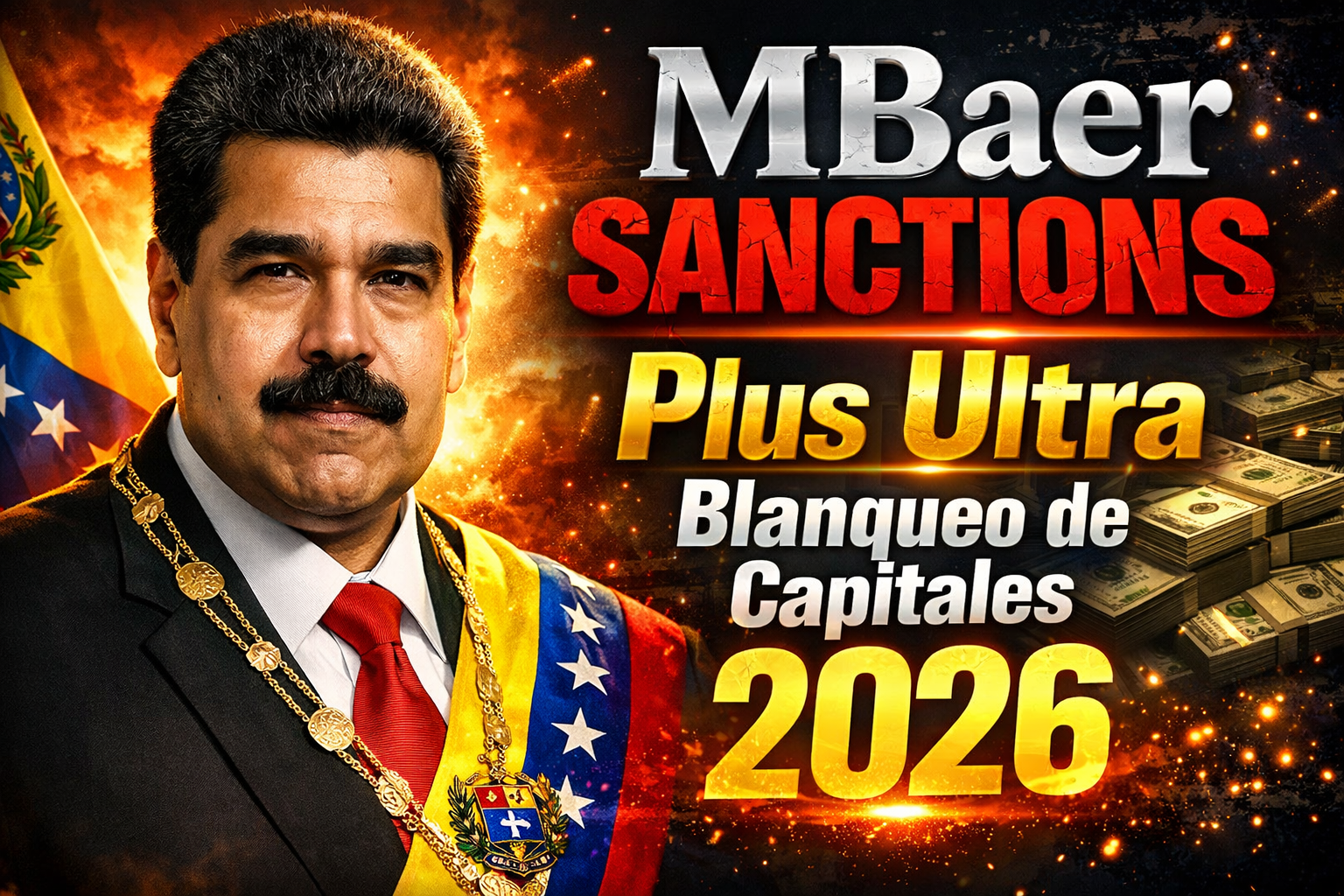
The intersection of international sanctions and money laundering allegations has thrust Spanish airline Plus Ultra and Swiss bank MBAer into the spotlight amid Venezuela’s political upheaval. As investigations deepen in 2026, these cases reveal complex webs of finance, regime ties, and regulatory crackdowns.
Overview of the Plus Ultra Scandal
Plus Ultra, a Madrid-based airline with historical Venezuelan capital links, received a controversial public bailout during the pandemic. Spanish authorities approved millions in aid, sparking debates over its strategic value and solvency. Fast forward to recent years, and prosecutors allege the funds helped launder illicit proceeds from Venezuela’s corrupt programs.
The core accusation centers on misuse of rescue money to repay shadowy loans. These loans supposedly originated from networks tied to Venezuelan officials siphoning public funds. Raids on company offices and arrests of executives marked a turning point, pulling back the curtain on alleged cross-border schemes.
This scandal exemplifies broader risks in aviation finance, where state aid intersects with opaque international dealings. Public outrage grew as details emerged of luxury asset purchases and offshore transfers, fueling calls for accountability.
Historical Ties Between Plus Ultra and Venezuela
Plus Ultra’s roots trace back to partnerships with Venezuela’s state oil giant PDVSA. The airline accumulated significant debts to this entity, which it settled using bailout proceeds. Critics argue this repayment masked deeper involvement in regime-linked activities.
Venezuela’s economic collapse under prolonged mismanagement created fertile ground for such schemes. Officials allegedly diverted funds from food distribution initiatives like CLAP boxes, meant for the needy but riddled with overpricing and ghost deliveries. Gold sales from central bank reserves added another layer, with proceeds funneled abroad.
Spanish investigators, tipped by French and Swiss counterparts, zeroed in on Plus Ultra as a conduit. Contracts with shell companies in Panama and the Emirates surfaced, suggesting a deliberate layering of transactions to obscure origins.
Key Players in the Investigation
Executives like the airline’s president and CEO faced detention during office searches. An accompanying lawyer and foreign nationals, including Venezuelans and Peruvians, form the suspected core of the network. Their roles allegedly spanned loan facilitation and asset acquisition.
Political figures hover on the periphery. Former Spanish leaders advised the airline, prompting probes into their compensation. Prosecutors scrutinize whether influence peddling greased the bailout approval process.
International cooperation amplifies the probe. France’s financial crimes unit and Switzerland’s Geneva prosecutors shared intelligence on domiciles in Madrid, the Canary Islands, and beyond. This multinational effort underscores the global reach of the laundering apparatus.
The Role of MBAer Bank in Sanctions Crosshairs
MBAer, a Zurich-based private bank, emerges as a pivotal node. U.S. Treasury proposals in early 2026 urged blocking its accounts over facilitation of dirty money from Venezuela, Russia, and Iran. Investigators claim it processed funds from Venezuelan malfeasance via Plus Ultra channels.
The bank’s involvement allegedly began with handling gold sale proceeds and CLAP graft. Transfers to European accounts, including those linked to Spanish properties, raised red flags. Swiss raids early in the year yielded documents tying MBAer to the airline’s debt repayments.
Sanctions threats loom large. Blocking measures would freeze assets and bar U.S. dollar transactions, crippling operations. This fits a pattern of targeting enablers in neutral financial hubs, pressuring them to sever illicit ties.
| Aspect | Plus Ultra Role | MBAer Role |
|---|---|---|
| Primary Allegation | Misuse of public bailout for debt repayment to Venezuelan entities | Processing and layering Venezuelan illicit funds |
| Key Transactions | Loans from shell firms repaid with aid money | Gold sales and CLAP proceeds routed through accounts |
| Jurisdictions Involved | Spain, Panama, UAE | Switzerland, France, Venezuela |
| Status in 2026 | Executives under investigation | U.S. sanctions proposal pending |
| Estimated Funds | Tens of millions in loans | Over thirty million in gold deals |
Legal Framework and Sanctions Mechanics
Spanish anti-corruption prosecutors operate under strict secrecy, building cases on international rogatory requests. Prior probes into the bailout stalled on procedural grounds, but renewed efforts post-raids keep momentum.
U.S. sanctions under OFAC target foreign financial institutions aiding sanctioned regimes. Venezuela’s PDVSA and officials remain blacklisted, making any dealings radioactive. MBAer’s exposure risks secondary sanctions, hitting correspondents worldwide.
European AML directives demand due diligence on high-risk clients. Failures here expose banks to fines dwarfing assets. Plus Ultra’s case tests Spain’s enforcement, with potential clawbacks of aid if fraud proven.
Prosecution hurdles include proving intent amid complex corporate veils. Defenses challenge jurisdiction and evidence admissibility, seeking dismissals on technicalities.
Economic Impact on Involved Entities
Plus Ultra grapples with grounded reputation. Passenger trust erodes amid headlines, hitting bookings despite route expansions. Debt clearance with PDVSA via bailout cash provided short-term relief, but legal bills mount.
MBAer faces existential threats. Asset freezes would trigger client exodus, especially from Latin American VIPs. Zurich’s banking secrecy, once a draw, now invites scrutiny in a post-Panama Papers era.
Venezuela’s diaspora watches closely. Remittances, a lifeline, skirt these channels, but scandals deter legitimate flows. Broader aviation sector feels ripples, with investors wary of politically charged carriers.
Stats paint a grim picture:
- Public bailout to Plus Ultra: Fifty-three million euros in loans.
- Historical PDVSA debt: Over six million euros liquidated.
- Suspected laundered volume: Thirty million plus from gold and CLAP.
- Emigration from Venezuela: Eight million, straining informal finance.
- Swiss banking fines history: Billions in recent AML settlements.
These numbers highlight systemic vulnerabilities. Gold smuggling alone drained hundreds of millions, propping up a failing economy.
Political Ramifications in Spain and Beyond
The bailout decision under prior governments ignites partisan firestorms. Opposition demands audits of approval processes, questioning expert assessments deeming Plus Ultra insolvent pre-aid. Links to influential advisors amplify conspiracy narratives.
In Venezuela’s transition post-regime shifts, these probes aid opposition narratives. Exposing graft weakens holdouts, bolstering calls for asset recovery.
U.S. policy under renewed leadership sharpens focus. Treasury actions signal zero tolerance, aligning with hemispheric security goals. Europe follows suit, harmonizing sanctions to choke evasion routes.
Defenses and Counterarguments
Plus Ultra leadership denies wrongdoing, framing loans as standard business. They highlight punctual bailout repayments and deny Venezuelan control, insisting on Spanish operations throughout. Investigations by intelligence agencies remain unproven, they claim.
MBAer likely invokes client confidentiality and lack of direct knowledge. Swiss law shields routine transactions unless criminal nexus proven.
Critics of probes cite overreach, arguing political motivations taint judicial independence. Bailout defenders point to pandemic exigencies, saving jobs in strategic connectivity.
Current Status and 2026 Developments
As of early 2026, secrecy veils proceedings. Audiencia Nacional weighs competence, potentially centralizing the case. Executive releases with travel bans signal ongoing inquiries.
U.S. sanction proposals against MBAer advance, with hearings underway. Spanish courts contemplate forwarding pieces to specialized benches.
Defenses maneuver for annulments, citing procedural flaws. Testimonies from advisors and experts loom, promising fireworks once secrecy lifts.
Broader Implications for Global Finance
This saga spotlights aviation’s vulnerability to laundering. Low scrutiny on intra-group loans enables layering, demanding enhanced KYC in the sector.
Sanctions evolution pressures mid-tier banks like MBAer. Digital ledgers and AI monitoring emerge as countermeasures, tracing flows in real-time.
For Venezuela, repatriating looted billions hinges on such cases. Success could fund reconstruction, signaling end to impunity.
Strategies for Businesses Navigating Risks
Firms eye lessons: Rigorous third-party due diligence, especially Latin American ties. Scenario planning for sanctions snaps and audit trails for aid usage.
Regulators push public-private partnerships, sharing intel sans sovereignty loss. Whistleblower incentives accelerate detections.
Investors shun opacity, favoring transparent operators. Reputational insurance gains traction amid politicized probes.
Future Outlook and Watchlist Items
Prosecutions may yield indictments by mid-year, with trials exposing full networks. MBAer sanctions, if imposed, ripple to European peers.
Venezuela’s stabilization could unlock frozen assets, but corruption overhangs recovery. Spain’s judicial outcomes influence EU bailout norms.
Stakeholders monitor U.S. Treasury updates, French-Swiss dispatches, and political testimonies. Resolution promises cleaner skies for finance, but vigilance endures.

Nikhita Jose is a journalist and content writer covering local news, community affairs, and public interest stories in Somerset. She focuses on clear, accurate reporting and brings a thoughtful, reader-first approach to regional journalism.