
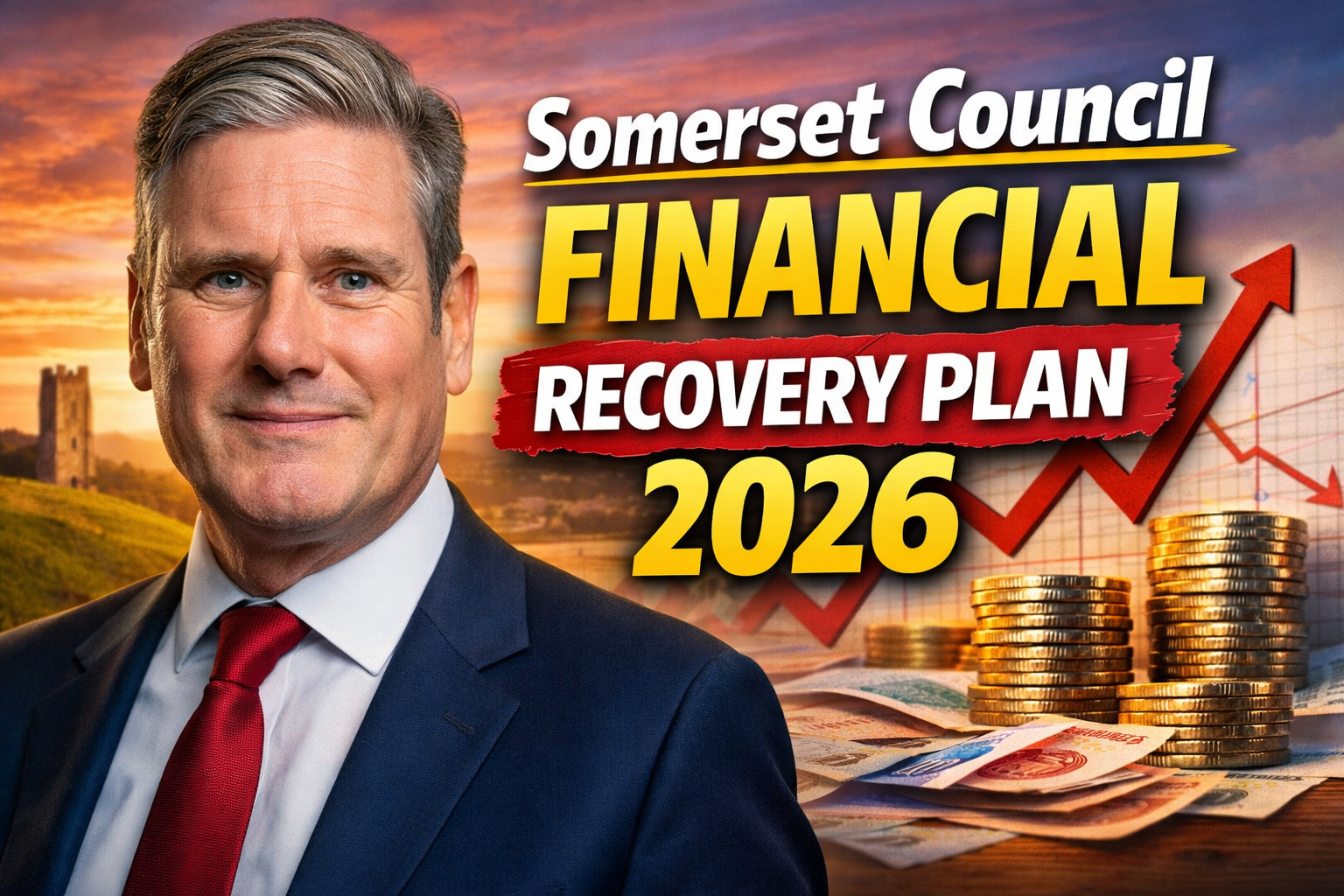
Somerset Council has navigated a turbulent financial landscape, emerging with a balanced budget for the upcoming year while transitioning into a structured recovery phase. This pivotal moment marks a shift from emergency interventions to sustainable strategies, even as residents face council tax adjustments to support essential services.
Introduction to the Financial Challenge
Somerset Council faced an overwhelming funding shortfall that threatened core operations across the county. What began as a massive projected deficit has been methodically reduced through decisive actions, allowing the council to stabilize its position. The approval of the 2027 budget underscores a commitment to fiscal responsibility amid ongoing pressures from national funding cuts and rising service demands.
Local authorities like Somerset have grappled with escalating costs in social care, housing, and infrastructure maintenance. Inflationary pressures, coupled with stagnant central government grants, amplified the crisis. The council’s proactive measures have not only averted immediate collapse but also laid groundwork for long-term viability.
Background of the Crisis
The financial storm hit Somerset hard, with early projections revealing a daunting gap in resources. This stemmed from years of underfunding, unexpected expenditure spikes, and inefficiencies inherited from previous structures. Merging district councils into a unitary authority brought opportunities but also unforeseen financial strains.
Leadership stepped in with rigorous cost reviews and service reevaluations. Independent audits praised the council’s progress, noting significant reductions in the shortfall over successive quarters. By early this year, the focus shifted from survival to strategic recovery, a testament to collaborative efforts between officers, councillors, and external advisors.
Key Elements of the Recovery Plan
Reduction in Projected Deficit
The council dramatically narrowed its funding gap from over a hundred million pounds to a far more manageable sum within a year. This achievement came through a combination of spending controls, revenue enhancements, and asset optimizations. Each step was scrutinized to ensure minimal impact on frontline services.
Targeted savings included streamlining administrative functions and renegotiating contracts. The plan emphasizes efficiency without compromising quality, prioritizing areas like education and vulnerable resident support.
Government Support Mechanisms
Central government provided crucial exceptional financial support, enabling the council to bridge remaining gaps. This came in forms like capitalisation directions, allowing borrowing or asset sales to fund day-to-day operations over extended periods. Such measures offer breathing room while transformation initiatives take root.
This support is not a blank cheque; it’s tied to milestones for financial improvement. The council must demonstrate ongoing progress to maintain eligibility, fostering accountability and reform.
Budget Approval Process
Councillors convened for a full council meeting to deliberate and endorse the 2027 budget. Presentations highlighted robustness checks by the chief finance officer, confirming the estimates’ reliability and reserves’ adequacy. Debates balanced resident needs with fiscal prudence, resulting in unanimous approval.
The process involved detailed appendices on savings plans, income strategies, and equalities impacts. Executive recommendations paved the way, ensuring transparency and stakeholder input throughout.
Council Tax Increase Details
To close the residual budget shortfall, a council tax rise was deemed necessary. This adjustment affects band D properties primarily, with incremental increases across bands to distribute the load fairly. The hike funds unprotected services, safeguarding priorities like adult social care and highways maintenance.
Residents in rural areas may feel the pinch more acutely due to service delivery costs. However, exemptions and discounts remain available for low-income households, pensioners, and vulnerable groups. The council communicated these changes via letters and public notices, urging understanding of the broader context.
| Council Tax Band | Annual Increase | Example Monthly Impact |
|---|---|---|
| Band A | Small percentage rise | Minimal addition to bills |
| Band B | Proportionate adjustment | Slight uptick in payments |
| Band C | Standard increment | Noticeable but controlled |
| Band D | Key reference point | Core funding boost needed |
| Band E | Scaled accordingly | Supports higher services |
| Band F | Larger properties bear more | Reflects usage patterns |
| Band G | Premium contribution | Aids county-wide needs |
| Band H | Highest band impact | Ensures equity |
Impact on Services
Protecting Frontline Priorities
Social care remains the largest budget item, with allocations ringfenced to meet legal duties. Children’s services saw investments in early intervention, reducing long-term costs. Waste management and recycling efficiencies prevent service cuts despite pressures.
Highways and transport budgets focus on pothole repairs and sustainable travel options. Libraries and leisure facilities adapt through partnerships, maintaining community access.
Transformation Initiatives
A portion of the support funds service redesigns, embracing digital tools for efficiency. Shared services with neighboring authorities cut duplication. Economic development drives local job creation, boosting council revenues indirectly.
| Service Area | Key Savings Approach | Resident Benefit |
|---|---|---|
| Adult Social Care | Demand management programs | Sustained home care support |
| Children’s Services | Prevention-focused spending | Fewer family crises |
| Highways | Targeted maintenance | Safer, smoother roads |
| Waste Collection | Route optimizations | Reliable, eco-friendly bins |
| Planning | Digital permitting | Faster approvals for growth |
Leader’s Vision and Statements
Council Leader Bill Revans articulated a clear path forward, emphasizing prosperity as the ultimate stabilizer. He highlighted the shift to recovery, vowing balanced budgets without extraordinary aid next year. Prosperity initiatives aim to foster a vibrant local economy, from tourism to tech hubs.
Revans stressed collaboration with government and communities, positioning Somerset as a model for recovery. His address at the budget meeting rallied support for tough but necessary decisions.
Long-Term Financial Strategy
The medium-term plan spans several years, projecting steady deficit reductions. Revenue growth through business rates and grants supplements tax measures. Borrowing strategies remain prudent, with treasury management aligned to low-risk profiles.
Sustainability hinges on economic growth; investments in skills training and infrastructure attract businesses. Climate resilience features prominently, preparing for future shocks.
Challenges Ahead
Rising national insurance contributions and energy costs loom large. Demographic shifts increase care demands, straining resources. Recruitment in specialized roles persists as a hurdle, addressed via competitive pay reviews.
External factors like inflation could derail projections, necessitating contingency reserves. Community engagement ensures adaptability, with resident forums shaping priorities.
Community and Economic Implications
Residents face higher bills, but the council mitigates through council tax support schemes. Local businesses benefit from stability, encouraging investment. Rural economies gain from targeted grants for agriculture and tourism.
The recovery fosters community pride, showcasing resilience. Schools and health partners align efforts, enhancing overall wellbeing.
Future Outlook
Somerset Council eyes full financial independence, targeting surplus positions. Annual reviews track progress against benchmarks. Partnerships with central government evolve into standard funding models.
Optimism prevails, with leadership confident in the trajectory. Residents are encouraged to engage, contributing ideas for a thriving county.
Conclusion
The 2026 recovery plan and 2027 budget approval represent a turning point for Somerset Council. Balancing tax rises with service protection, the strategy builds resilience for generations. Through prudent management and bold vision, Somerset charts a course toward prosperity.

Nikhita Jose is a journalist and content writer covering local news, community affairs, and public interest stories in Somerset. She focuses on clear, accurate reporting and brings a thoughtful, reader-first approach to regional journalism.