
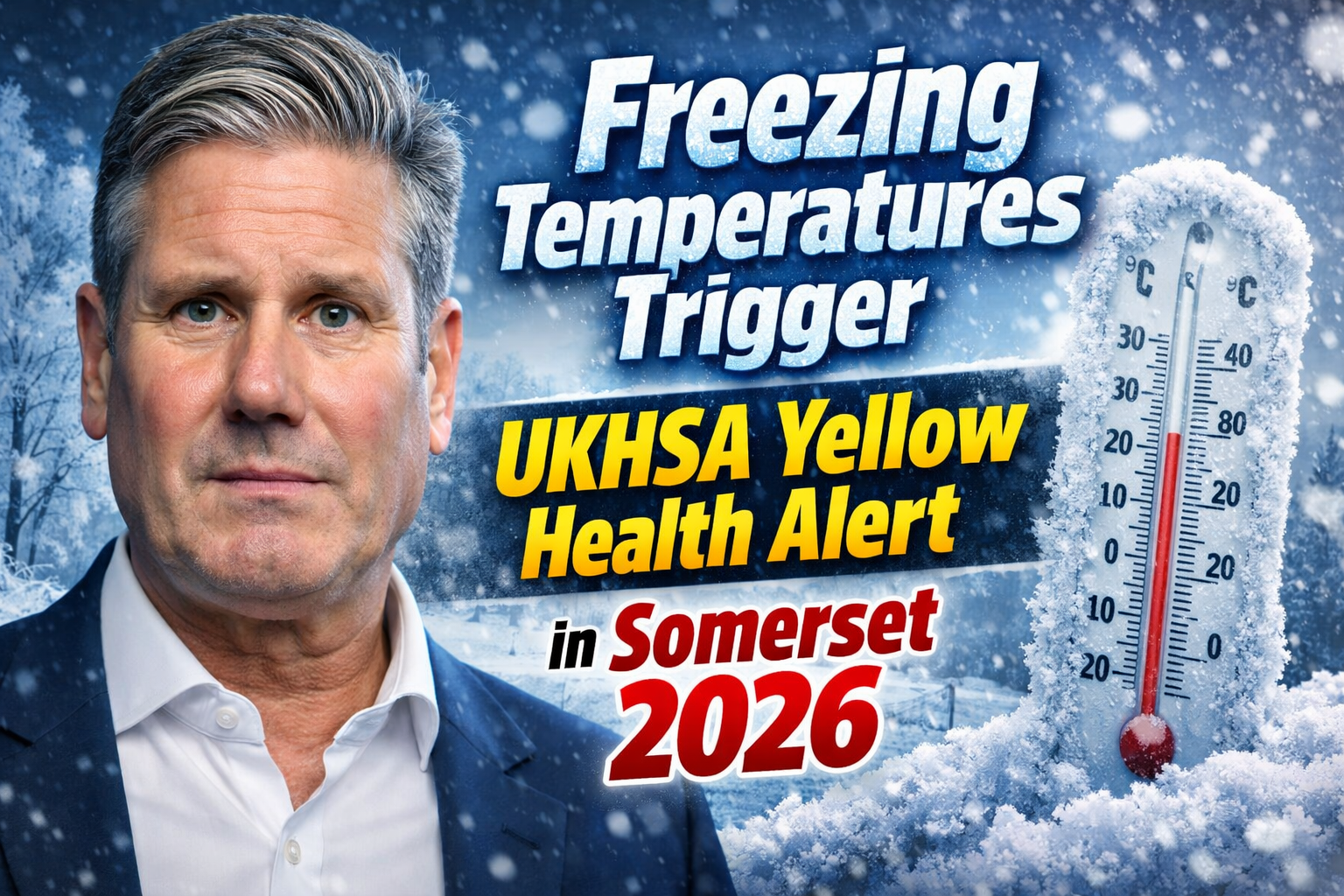
The yellow health alert covers Somerset and surrounding areas, urging residents to prepare for sustained cold spells starting late December and extending into the new year. Freezing overnight temperatures, combined with wind chill, heighten dangers for the elderly, those with chronic conditions, and low-income households struggling to heat homes.
Expected daytime highs hover around 4 to 6 degrees Celsius, while nights dip below zero, fostering icy patches and frost. This alert underscores the need for community vigilance as South West England braces for a challenging winter opener.
Understanding UKHSA Cold Health Alerts
Alert Levels Explained
UKHSA cold health alerts operate on a color-coded system developed in partnership with the Met Office. Green indicates no significant threat, yellow warns of minor health service strains, amber signals widespread impacts requiring coordination, and red denotes severe, population-wide risks.
Yellow alerts, like the current one for Somerset, predict increased healthcare demands from vulnerable groups without overwhelming the system. These alerts draw from forecasts of low temperatures, wind chill, and ice risks during the core winter period from November to March.
Purpose and Scope
Alerts aim to safeguard public health by prompting early actions from healthcare providers, social services, and communities. In Somerset, the focus lies on rural areas where frost forms quickly and urban spots face wind chill amplifying the cold.
The system monitors temperatures likely below freezing, alongside health sector resilience data. For South West England, this yellow status activates from late December through early January, aligning with forecasts of persistent chills.
Weather Forecast for Somerset and South West
Temperature Projections
Somerset faces overnight lows reaching minus 1 to minus 4 degrees Celsius, with rural spots potentially colder. Daytime feels brisk at 4 to 6 degrees under cloudy skies and light winds, though easterly breezes sharpen the chill.
Wintry showers loom, turning to sleet or snow above 250 meters elevation, leading to small accumulations. Clear nights exacerbate frost, making roads hazardous in areas like Exmoor and the Mendips.
Regional Variations
Coastal Somerset, including Weston-super-Mare, sees milder influences from the sea but still risks icy winds. Inland towns like Taunton and Yeovil endure sharper drops, with wind chill making minus 1 feel like minus 5 or lower.
Met Office predictions highlight a shift to showery conditions by New Year’s Day, increasing slip risks. South West England’s upland zones mirror northern patterns, with frost dominating into mid-January.
Health Impacts of Freezing Conditions
Vulnerabilities Exposed
Cold snaps trigger cardiovascular strains, elevating heart attack and stroke risks almost immediately. Respiratory issues surge days later, alongside falls from ice, particularly affecting those over 65.
Pregnant women, young children under 5, and individuals with mental health or mobility challenges face amplified dangers. Low-income families in fuel poverty struggle to maintain 18-degree indoor warmth, worsening outcomes.
Statistical Overview
Winter periods see thousands of excess deaths UK-wide, far outpacing summer heat fatalities. In recent seasons, extreme cold linked to nearly 4,000 additional deaths, with South West contributing through heightened hospital visits.
| Vulnerable Group | Key Risks | Estimated Impact Increase |
|---|---|---|
| Over 65s | Heart attacks, strokes | Up to 20-30% more admissions |
| Respiratory patients | Chest infections, flu | Peaks 7-10 days post-cold snap |
| Low mobility | Falls on ice | Double during frosty nights |
| Fuel poor households | Hypothermia, isolation | Indoor temps below 16 degrees common |
These figures highlight cold’s stealthy toll, straining GP consultations and emergency services.
Who Faces the Greatest Risks
Primary At-Risk Populations
Elderly residents living alone top the list, as cold impairs circulation and coordination. Those with pre-existing heart or lung conditions experience exacerbated symptoms, while homeless individuals endure direct exposure.
Children and pregnant people suffer indirectly through parental stress and home chill. Mental health sufferers may neglect heating, compounding isolation in Somerset’s dispersed communities.
Socioeconomic Factors
Fuel poverty affects one in five UK households, hitting rural Somerset hard where energy costs rise. Poorly insulated homes trap residents in cycles of damp and cold, fostering long-term respiratory woes.
Deprived areas see higher winter mortality, linked to delayed care access amid transport disruptions from snow.
Practical Preparation Tips
Home Heating Strategies
Layer clothing indoors and aim for 18 to 20 degrees in main rooms, 16 in bedrooms. Use hot water bottles and draught excluders to retain warmth without spiking bills.
Stock non-perishables and check boilers pre-freeze. Insulate pipes to prevent bursts, common in older Somerset properties.
Personal Protection Measures
- Wear multiple layers, hats, and gloves outdoors; limit exposure to 30 minutes in sub-zero conditions.
- Stay hydrated with warm drinks, avoiding excess alcohol that chills the body.
- Monitor blood pressure daily if at risk, and keep medications accessible.
Warm hubs in community centers offer safe havens during peak cold.
Mobility and Travel Advice
Grit driveways and paths; use public transport where possible. Carry blankets in vehicles and check tire pressures for icy grip.
Community and Healthcare Responses
Local Authority Roles
Somerset councils activate warm spaces in libraries and halls, distributing advice packs. Social care ramps up check-ins for isolated elderly, coordinating with NHS for priority calls.
Voluntary groups deliver fuel vouchers and meals, bridging gaps in remote villages.
NHS Action Plan
Hospitals prepare for admission spikes, prioritizing flu vaccines and telehealth. GPs flag high-risk patients for home visits, while pharmacies stock cold remedies proactively.
| Response Sector | Key Actions | Expected Outcomes |
|---|---|---|
| Healthcare Providers | Surge capacity, virtual consults | Reduced A&E overload |
| Social Services | Welfare checks, hot meal deliveries | Fewer isolation cases |
| Community Orgs | Warm hubs, advice sessions | Broadened support net |
| Local Gov | Road gritting, shelter provision | Safer public spaces |
Long-Term Winter Resilience
Somerset residents can build habits now: upgrade loft insulation, switch to efficient heaters, and join neighborhood watch schemes. Policymakers push for grants aiding fuel-poor homes, reducing future alerts’ bite.
Past winters show preparation halves severe outcomes; communities uniting amplify this effect.
Conclusion: Stay Vigilant Through the Chill
This yellow alert reminds Somerset of winter’s quiet threats amid festive transitions into 2026. Proactive steps shield the vulnerable, ensuring South West England’s new year begins safely despite the freeze.

Nikhita Jose is a journalist and content writer covering local news, community affairs, and public interest stories in Somerset. She focuses on clear, accurate reporting and brings a thoughtful, reader-first approach to regional journalism.