
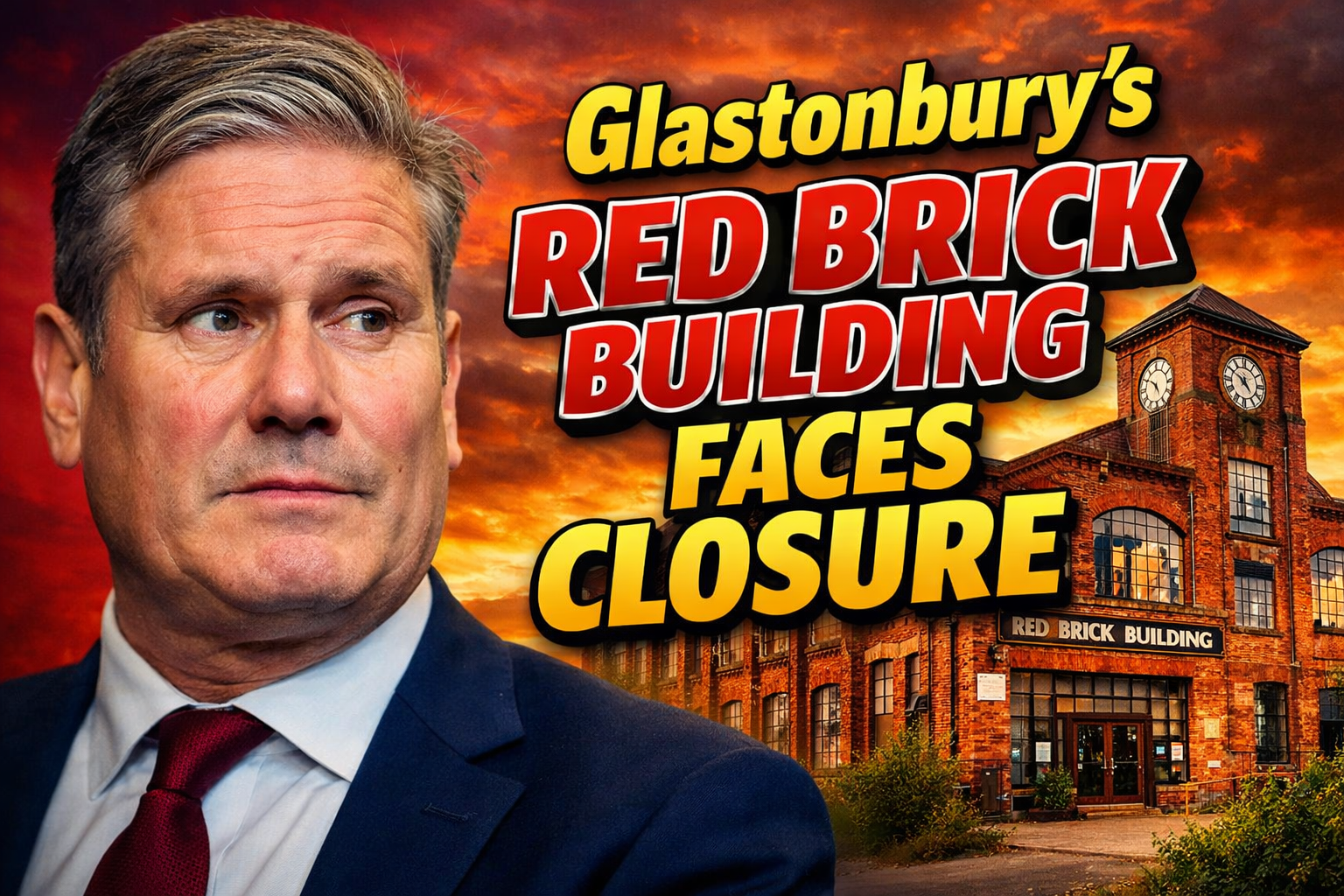
Somerset’s Glastonbury is on edge as the future of the Red Brick Building hangs in the balance. This iconic community hub, once a thriving center for arts, events, and local businesses, now teeters on the brink of closure amid a financial crisis sparked by the collapsed Life Factory project. Residents, artists, and volunteers rally to save a space that has defined local culture for over a decade.
Historical Roots of the Red Brick Building
The Red Brick Building stands as a testament to Glastonbury’s industrial past. Originally constructed in the 1800s as the Morlands sheepskin tannery, it employed thousands during Somerset’s sheepskin boom, processing hides into goods that fueled the local economy. The factory buzzed with activity until its decline in the late 20th century, leaving the structure abandoned and derelict for more than three decades.
Community spirit revived it in 2008 when locals formed a group to reclaim the site. By 2013, after intense fundraising and renovations, the Red Brick Building reopened as a community benefit society. It transformed into a multifunctional venue offering affordable workspaces, event spaces, a restaurant, and gardens. National Lottery funding later supported heritage projects, including a café where former workers shared stories and school programs borrowed artifacts to teach about Glastonbury’s manufacturing legacy.
This rebirth turned a forgotten relic into a vibrant anchor, hosting music gigs, workshops, youth clubs, and markets. Its red brick facade became synonymous with inclusivity, drawing in artisans, small businesses, and families.
The Rise as a Community Lifeline
Before the troubles, the Red Brick Building pulsed with life. It provided low-cost desks and studios to social enterprises, fostering networking among local makers and startups. A popular café and bar drew crowds for live jazz, DJ sets, and exhibitions, while an RHS award-winning community garden offered outreach for vulnerable groups.
Youth programs partnered with the YMCA for music sessions, heritage events, and work experience. Mental health drop-ins with the Glastonbury Mental Health Network provided vital support. Volunteers poured hours into grassroots initiatives, from artisan markets to college placements. Tenants like The Old Tannery restaurant anchored daily operations, ensuring steady income.
The venue hosted the area’s largest music and arts events, supporting young DJs, students, and established acts. Its role extended to community-led courses, a thriving youth club, and environmental projects, making it indispensable in a town known for festivals like Glastonbury but short on year-round cultural spaces.
The Life Factory Project: Ambition Turns to Crisis
Glastonbury’s Town Deal injected over twenty million pounds into regeneration, with nearly three million allocated to the Life Factory at the Red Brick site. Envisioned as a multi-use space for events, offices, and community facilities, the project promised to elevate the venue. Red Brick Building Centre Ltd took charge, creating a subsidiary, Beckery Construction, to handle building work.
Funding paused in January 2024 after Somerset Council flagged issues reconciling invoices with on-site progress. An independent audit by Grant Thornton exposed governance failures, poor financial oversight, and missing paperwork. Despite the halt, payments continued for months, and no site inspections occurred. The project, meant to transform Building C, stalled amid delays.
By November 2025, Somerset Council terminated it, alongside the linked Glastonbury Food and Regenerative Farming Centre. Beckery Construction entered voluntary liquidation with assets under five thousand pounds against debts exceeding six hundred thousand to twenty-six creditors, including local builders. Auditors criticized Red Brick, the council, and constructors equally, prompting a police probe by Avon and Somerset Police.
Financial Fallout and Clawback Demands
The crisis drained Red Brick’s reserves. To cover wages and contractors during the funding pause—initially billed as three months—the organization tapped core funds. Income plummeted as negative publicity scared off bookings and tenants. The Old Tannery, a key revenue source, departed due to disruptions.
Somerset Council now seeks repayment of about two point three million pounds already disbursed, plus over one hundred thousand from the farming center. Red Brick leaders warn they lack capacity to repay without insolvency. Staff endured immense strain, volunteers burned out, and reputation damage deepened the hole. A fully costed recovery plan exists, including emergency funding, but hinges on council decisions.
Critical meetings loom, with council full meetings in mid-January 2026 and an audit committee follow-up. An independent financial review underway could seal the venue’s fate within weeks.
What Closure Would Devastate
Shutting the Red Brick Building would ripple painfully through Glastonbury. Dozens of small businesses and social enterprises would lose affordable workspaces, threatening livelihoods. Staff and long-term hirers face job losses, while volunteers see their efforts vanish.
Key losses include the community garden’s inclusivity programs, heritage outreach via the Morlands project, and vital youth music initiatives. Mental health drop-ins, jazz scenes, and student placements would end. The largest local venue for arts and music gigs would silence, curbing support for emerging talent.
| Impact Area | Current Offerings | Potential Losses |
|---|---|---|
| Workspaces | Affordable desks for startups, artisans | Displacement of local businesses |
| Events & Culture | Jazz, DJs, exhibitions, markets | End of largest venue, youth music |
| Youth & Education | YMCA clubs, college placements | No work experience or heritage programs |
| Community Support | Mental health drop-ins, garden outreach | Closure of inclusivity initiatives |
| Heritage | Morlands café, school loans | Loss of industrial history access |
This table underscores the broad void: a hub sustaining hundreds indirectly through networking, volunteering, and events.
Voices from the Community
Residents voice heartbreak and urgency. “The Red Brick is Glastonbury’s heartbeat—losing it guts our creative soul,” said one local artist. Tenants report rattled confidence, with cancellations mounting amid media scrutiny. A councillor’s recent visit highlighted staff and tenant fears, prompting Red Brick’s public statement after confidentiality lifted.
Board members broke silence, rejecting impropriety rumors and blaming Town Deal obligations for exhaustion. “It didn’t stretch us—it broke us,” they stated, urging the council to prioritize community over full clawback. Supporters launched petitions protecting affected businesses, while media like Nub News and BBC amplify calls for salvage.
Somerset Council’s chief executive apologized for oversight lapses, vowing better safeguards. Lessons-learned reports stress improved governance, but locals demand action beyond words.
Broader Implications for Glastonbury
This saga spotlights risks in ambitious regeneration. Glastonbury, famed for its festival, grapples with deprived areas needing sustainable hubs. The Red Brick filled gaps left by tourism spikes, offering year-round stability. Closure could deter investment, strain other venues, and erode community trust in public funds.
It echoes wider Somerset challenges: unitaries merging councils strained oversight, while Town Deals nationwide face audits. For Glastonbury, it threatens cultural momentum, especially post-festival lulls when locals rely on such spaces.
Calls for Rescue and Recovery Paths
Red Brick pleads for council mercy: pause clawback, back emergency funds, and untie projects from daily operations. Their plan aims to stabilize the core venue, repay debts gradually, and rebuild income via events and tenants. Police probes continue, but no staff face investigation.
Community campaigns gain steam, with social media floods of support. A public meeting looms post-agreement, promising transparency. Saving the Red Brick could model resilient regeneration: community-led, fiscally cautious.
Looking Toward Uncertain Horizons
As 2026 dawns, Glastonbury watches anxiously. The Red Brick Building’s fate tests commitments to heritage, creativity, and local enterprise. Success means revival; failure, a scar on the town’s spirit. Residents hold breath for council verdicts, hoping passion prevails over pounds.

Nikhita Jose is a journalist and content writer covering local news, community affairs, and public interest stories in Somerset. She focuses on clear, accurate reporting and brings a thoughtful, reader-first approach to regional journalism.