
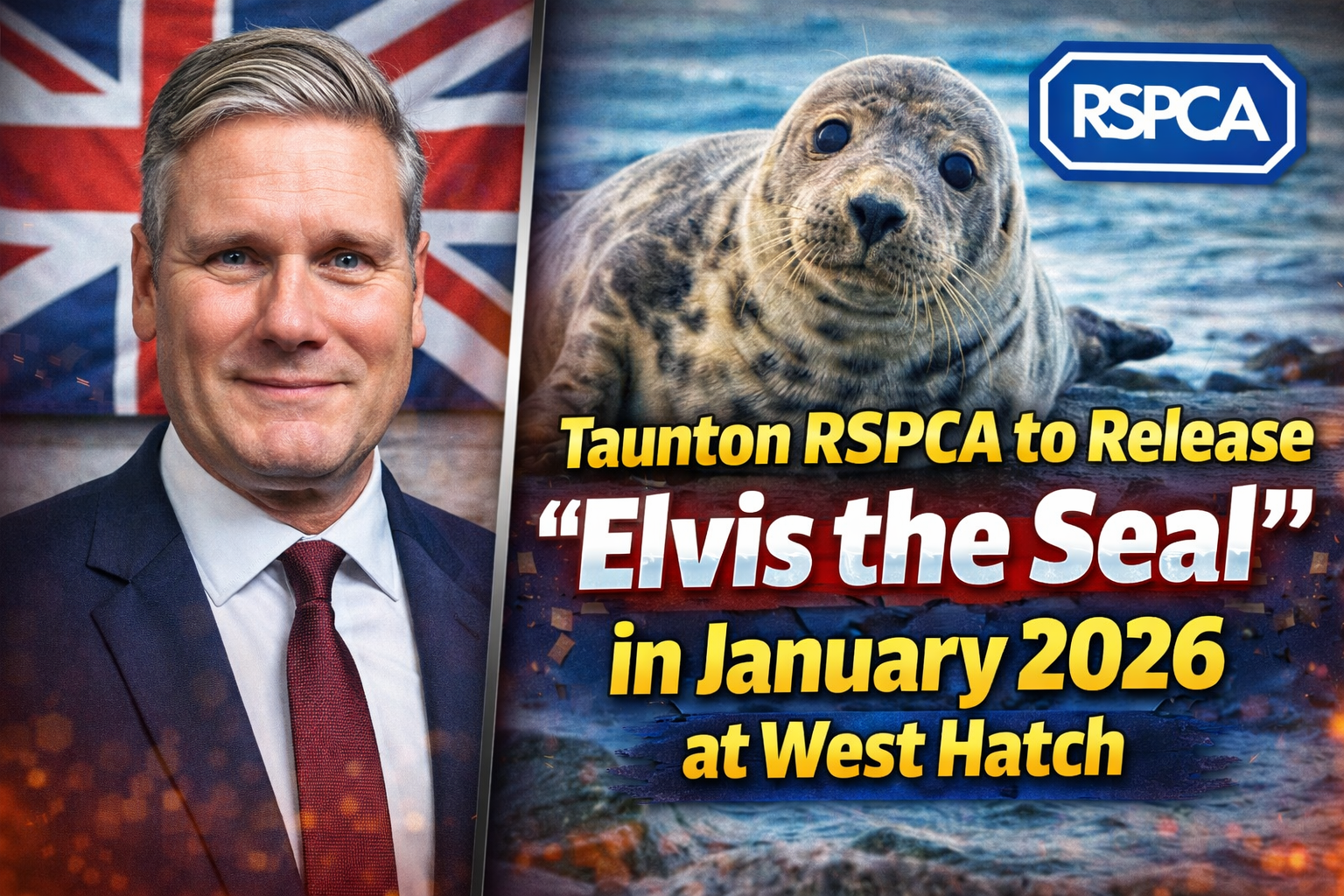
The RSPCA West Hatch Wildlife Centre in Taunton prepares to release Elvis the Seal back into the wild this January 2026, marking a heartwarming milestone in wildlife rehabilitation. Rescued as a stranded pup, Elvis has undergone intensive care, captivating locals and animal lovers alike with her spirited recovery. This event highlights the centre’s vital role in Somerset’s conservation efforts.
The Rescue Story of Elvis the Seal
Elvis washed ashore in late 2025, likely separated from her mother during stormy weather off the Somerset coast. Discovered by a vigilant beachgoer near Minehead, the young common seal pup appeared underweight and lethargic, classic signs of abandonment or nutritional distress. RSPCA rescuers swiftly transported her 30 miles to Taunton’s West Hatch, where initial assessments revealed dehydration and minor injuries from rough seas.
Named for her playful waddle reminiscent of the King’s hip shake, Elvis quickly became a centre favourite. Staff noted her curious nature, often bobbing her head to inspect visitors. Early days involved round-the-clock tube-feeding with a nutrient-rich fish milkshake, building her from a scrawny 10kg to a robust 25kg juvenile ready for freedom.
Inside RSPCA West Hatch Wildlife Centre
Nestled in Taunton Deane, West Hatch spans 23 acres, treating over 7,000 animals yearly from seals to swans. Opened in 1997, it specializes in marine mammals, boasting state-of-the-art pools mimicking tidal flows for natural acclimation. The seal hospital features quarantined pens, X-ray suites, and a team of vets, keepers, and volunteers funded by donations.
Daily routines for Elvis included swimming drills, puzzle feeders with herring and mackerel, and weight checks to ensure muscle tone. Physiotherapy addressed flipper weakness, while blood tests monitored for parasites common in strandings. Public viewing areas foster education, with over 50,000 visitors annually witnessing recoveries like Elvis’s.
Seal Rehabilitation Process Explained
Rehab unfolds in phases: stabilization stabilizes vitals, fattening boosts blubber for insulation, and pre-release hones hunting skills. Elvis aced swimming pools up to 20,000 litres, chasing live fish to mimic ocean hunts. Veterinary exams cleared parasites via dewormers, and vaccinations guarded against seal pox.
Common seals, or harbour seals, pup from June to August, fasting while mothers forage. Orphans like Elvis risk starvation without intervention—RSPCA handles hundreds UK-wide yearly. Success rates hover at 90 percent when pups arrive promptly, underscoring early reporting’s importance.
Rehabilitation Milestones Table
| Phase | Duration | Key Activities | Elvis’s Progress |
|---|---|---|---|
| Stabilization | 1-2 weeks | Hydration, feeding, exams | Gained 2kg, alert |
| Fattening | 4-6 weeks | High-fish diet, pool intro | Reached 20kg, playful |
| Pre-Release | 2-4 weeks | Live prey, endurance swims | Expert hunter, fit |
The January 2026 Release Event at West Hatch
Scheduled mid-January at West Hatch’s coastal release site near Kilve Beach, the ceremony invites public viewing. Keepers will crate Elvis, drive her to the shore, and open the gate amid cheers—expect splashes and speedy dives. Weather-dependent, backups ensure safety.
Past releases drew crowds, with seals like 2025’s Mini Milk quartet celebrated similarly. Elvis joins a cohort, amplifying impact. Post-release, satellite tags track her for months, sharing data on migration and health.
Challenges Facing UK Seal Populations
Strandings surge due to climate shifts, with warmer waters drawing more pups south. Entanglement in nets claims thousands; plastic pollution causes starvation. Avian flu hit hard in 2023-2024, but 2025 saw rebounds.
Somerset’s Bristol Channel hosts thriving colonies, yet human encroachment threatens haul-outs. RSPCA advocates fishing gear marking and beach cleanups, partnering with Cornwall Wildlife Trust. Elvis’s story spotlights these perils, urging responsible coastal enjoyment.
Community Involvement and Support
Taunton locals rallied for Elvis via crowdfunding, funding her £2,000 care. School visits and social media updates built buzz, with #ElvisTheSeal trending locally. Volunteers log 10,000 hours yearly, from fish prep to enclosure cleaning.
Adoption schemes let supporters sponsor Elvis, receiving updates and photos. Events like release parties raise funds, covering operational costs amid rising vet bills. Corporate tie-ins with supermarkets donate fish, sustaining the pipeline.
Conservation Lessons from Elvis
Releases like Elvis’s prove human intervention works when habitats are protected. Tagged seals reveal foraging ranges up to 100km offshore, informing marine protected areas. Data feeds national databases, guiding policy against bycatch.
Public engagement shifts mindsets—from selfies with stranded pups to calling hotlines. RSPCA logs 8,000 wildlife calls monthly, prioritizing seals. Elvis embodies hope, proving second chances thrive with science and compassion.
Broader Impact of RSPCA Wildlife Work
West Hatch rehabilitates diverse species: otters, badgers, birds of prey. 2025 highlights included raccoon rescues and seal cohorts, per year-end reviews. Success stories boost donations, vital as government funding lags.
Partnerships with BDMLR (British Divers Marine Life Rescue) streamline strandings response. Training courses empower citizens, fostering a network of spotters. Elvis’s saga inspires youth programs, linking schools to conservation.
Looking Forward Post-Release
Once free, Elvis may haul out nearby, recognizable by unique markings. Trackers beam locations via apps, engaging followers. Long-term, she could pup in years ahead, perpetuating her line.
RSPCA eyes expansions: bigger pools, solar power for sustainability. Community gardens and eco-talks extend reach. Elvis’s splashdown caps 2025 triumphs, heralding 2026 rescues.

Nikhita Jose is a journalist and content writer covering local news, community affairs, and public interest stories in Somerset. She focuses on clear, accurate reporting and brings a thoughtful, reader-first approach to regional journalism.